
Please pardon our dust. Our team is hard at work standardizing and improving our database content. If you need assistance, please contact us.
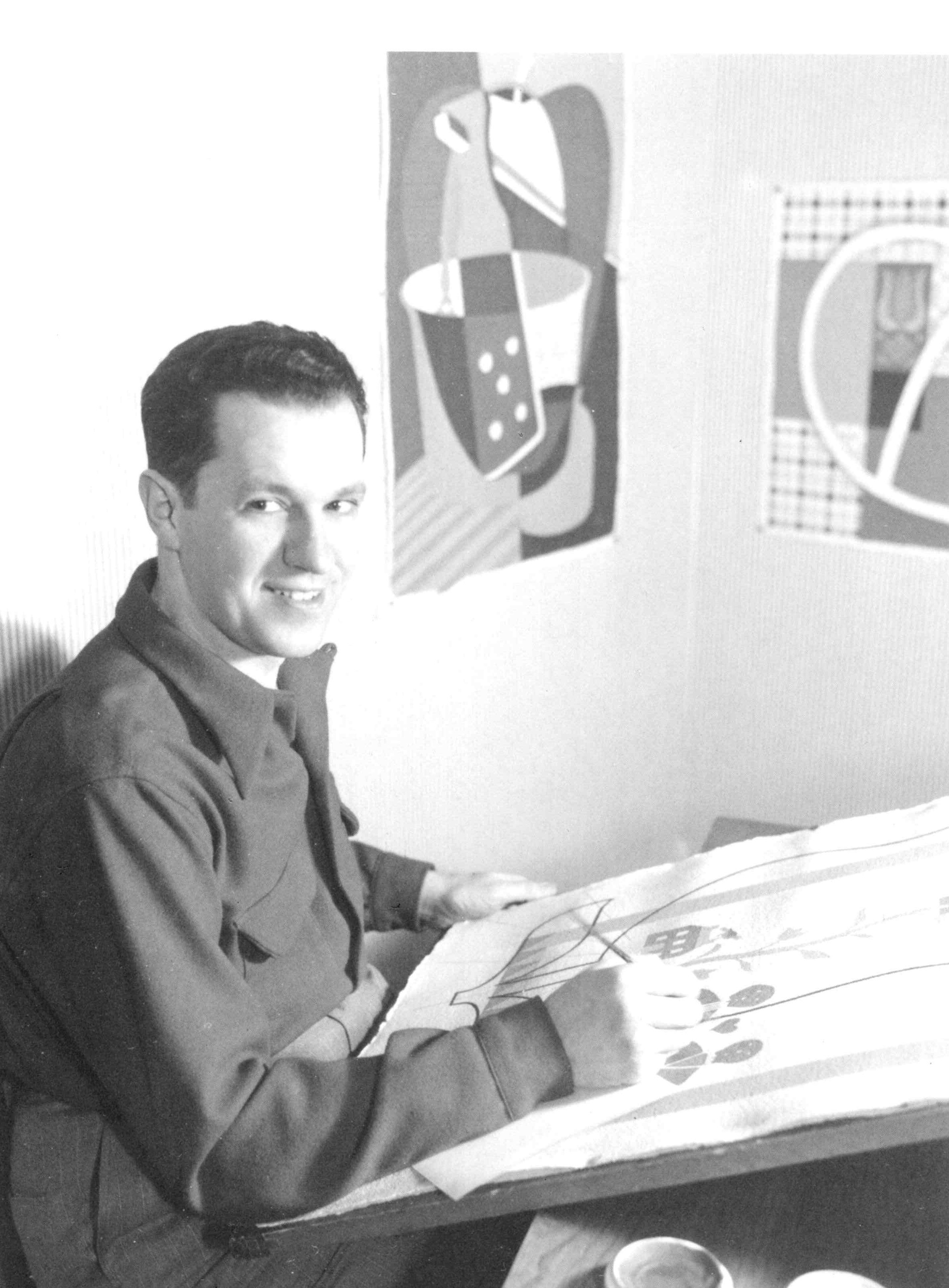
Richard Peter Hoffman was a distinguished Pennsylvania artist, designer, photographer, and lecturer whose work bridged the realms of precisionist painting, modernism, and regional folk art. Born on January 10, 1911, in Allentown, Pennsylvania, Hoffman came from a long line of Pennsylvania Germans, a heritage that would profoundly influence his artistic vision.
Hoffman began his formal art education at the New York School of Fine and Applied Art (Parsons School of Design) in 1929 and studied there until 1932. He further honed his craft at the Mercersburg Academy and the Parsons School of Design, where he developed a keen interest in precisionist art. His early career was shaped by his work as a graphic artist and designer in New York before returning to Allentown, where he juggled his artistic endeavors with a position in his family’s grocery business.
A founding member of the Lehigh Art Alliance in 1937, Hoffman’s artistic journey was marked by an unwavering devotion to precision and a distinctive focus on Pennsylvania German symbols, which often appeared in his landscapes. His work, created primarily in casein, watercolor, India ink, and crayon, embodied a rural modernism that explored simplicity, tradition, and the rhythms of rural life. His paintings, though few in number—only 189 between 1946 and 1965—were known for their meticulous composition and the exacting perfection in their detail.
Throughout the 1940s and 1950s, Hoffman gained widespread recognition, including exhibitions at the Henry Salpeter Gallery in New York, the Allentown Museum of Art, and the Woodmere Art Gallery in Philadelphia. His works were regularly featured in national watercolor exhibitions and received accolades for their balance of modernist abstraction and Pennsylvania Dutch roots. A 1948 solo exhibition in New York was notably praised by critics for its disciplined design and reflective simplicity.
Although his painting output slowed after the 1960s, Hoffman’s influence continued, and in 1965 he transitioned to a successful career in photography, which culminated in a notable show at the Allentown Art Museum in 1972. As a photographer, his keen eye for structure and detail continued to reflect his precise and contemplative artistic style.
In addition to his artistic career, Hoffman was deeply involved in the Lehigh Valley cultural community. He was known as "Mr. Theater" for his dedication to the region's theater scene, founding the Lehigh Valley-based theater group "The Gabblers" and attending over 500 performances at the Bucks County Playhouse from 1939 to 1990. Hoffman also served as a board member of the Pennsylvania Stage Company, the Allentown Community Concert Association, and the Civic Little Theatre.
Hoffman’s legacy is marked not only by his contributions to the visual arts but also by his support for cultural institutions and his commitment to preserving regional heritage. In 1995, he received the William Allen Cup Award for Downtown Rehabilitation and the Arts Ovation Award for Outstanding Achievement in the Visual Arts. His life and work were celebrated in the 1990 monograph A Pennsylvania German Precisionist: The Art of Richard Peter Hoffman, which highlighted his unique place in American art history.
Richard Peter Hoffman passed away on June 10, 1997, at the age of 86, leaving behind a lasting legacy that continues to inspire artists and art lovers alike. His work is represented in notable collections, including the Metropolitan Museum of Modern Art, the Philadelphia Watercolor Club, and the Woodmere Art Gallery.
Image courtesy of A Pennsylvania German Precisionist: The Art of Richard Peter Hoffman.
Education
Mercersborg Academy
Parsons School of Design
Selected Exhibitions
Harry Salpeter, NY
Woodmere Art Gallery, Philadelphia, PA
Allentown Art Museum, PA
New Britain Museum of American Art, CT
Awards
Woodmere Art Gallery, Philadelphia, PA
Casein Award, Knickerbocker Artists, NY
Commercial Civic Center Philadelphia Award

The Artist's Challenge
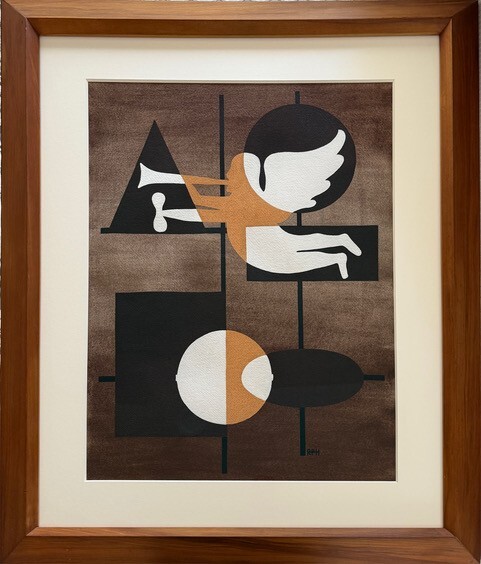
Gabriel and His Horn
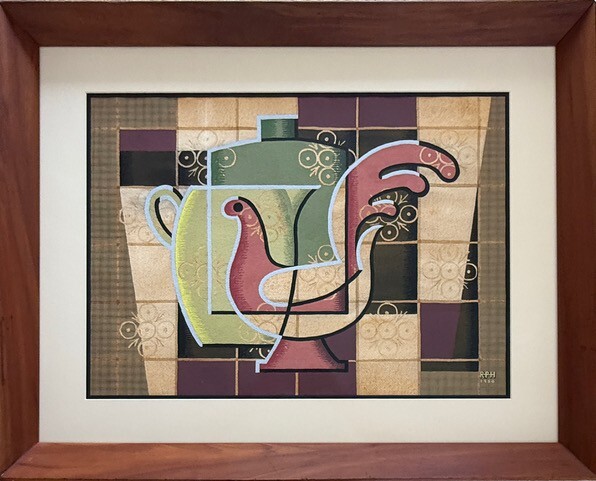
Grandmother's Kitchen
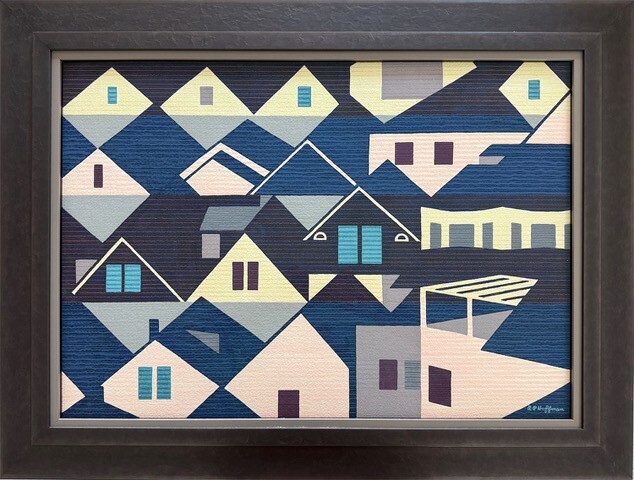
Neighborhood Nocturne: Rooftops
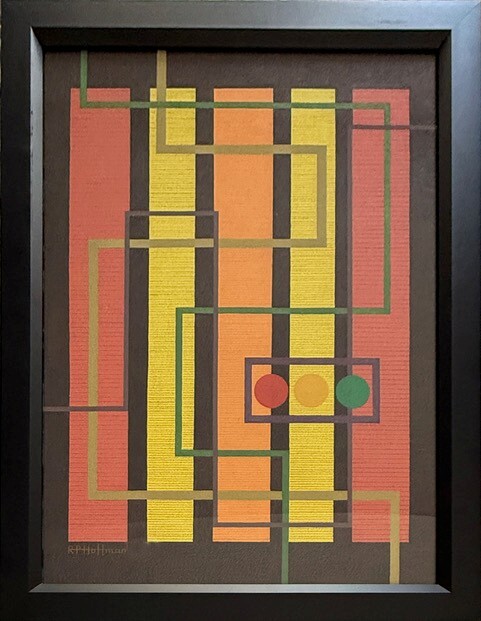
Traffic Light
Click on any image to open it full size with captions.

138 S. Pine Street
Doylestown, PA 18901
michenerartmuseum.org
© Michener Art Museum |
Accessibility | Terms of Use |
Crafted by Mind Your Design